
Ageing well requires staying fit
Ageing is one of the things people fear most.
A lot of people quietly believe that to age is to decline.
That life narrows.
That energy fades.
That the best years are behind them.
But that is not the whole story.
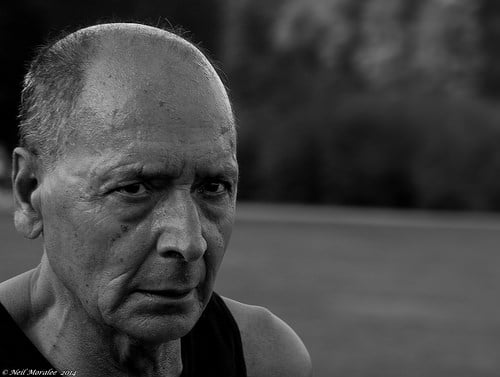
One of the strongest things I learnt working in a gym was that some of the healthiest, happiest, and most capable people there were also some of the oldest.
That stayed with me.
Because it challenged one of the biggest myths about ageing:
that getting older automatically means getting worse.
It does not.
You are always ageing.
But how you age is shaped by how you live.
You are always ageing — but you influence how
Ageing is not something that starts later.
It is happening all the time.
The real question is not whether you are ageing.
It is:
how are you ageing?
what kind of miles are you putting on?
what kind of life are you building through your daily habits?
That is one of the reasons this page matters.
Because ageing is not only about the number of years that pass.
It is about what repeated life does to you over time.
And that means Healing Habits matters here more than most people realise.
Earlier explainer video: ageing well as an investment
Before Healing Habits existed in its current clearer form, I recorded an earlier explainer video about one of the deepest ideas behind this page:
how you spend your time and energy shapes how you age
It is not a polished final video.
But it does show an important part of the Fit2Thrive philosophy:
that ageing well is not built only through dramatic interventions, but through the way you live, move, enjoy life, and invest in yourself over time.
The video connects ageing to:
- time
- energy
- movement
- activities
- enjoyment
- ancestral health
- modern lifestyle
- the idea of investing in your future through everyday life
If you would like a more personal and earlier explanation of the thinking behind this page, you can watch it here:
Or watch on YouTube
https://youtu.be/PlnTvHmcqUs
If this video has inspired you read more here
This video is especially useful if you want more background on:
- why ageing well is more shaped than most people realise
- why movement is one of the biggest foundations of ageing well
- why activities can help you age better
- why enjoying life matters too
- why the science behind this work is deeper than many people think
A clearer updated version may come later.
For now, this earlier explainer is here as a useful background resource.
The body ages through life, not just through time
Time passes anyway.
But the condition you carry through time is shaped by how you live.
That includes things like:
- movement
- recovery
- strength
- sleep
- nourishment
- stress
- ordinary activity
- the balance between use and underuse
- the balance between challenge and recovery
This is why Fit2Thrive takes ageing seriously.
Not in a fearful way.
In a practical way.
Because life either helps the body stay more capable over time, or it quietly lets capability drain away.
What I saw changed the way I think about ageing
Working in a gym gave me a real education.
I met people from all walks of life and all stages of life.
And one of the things I kept seeing was this:
the people ageing best were often the people who kept using themselves well.
They moved.
They trained.
They stayed engaged.
They treated their bodies and lives like things worth maintaining.
One woman in particular stayed with me.
I thought she was doing well for her age and assumed she was around 60.
When I asked what she was training for, she said she was going on a skiing holiday.

That hit me.
Because skiing is not a light activity.
It takes strength, balance, movement, confidence, and capability.
And here she was treating it like a normal part of life.
That is the point.
Ageing well is not only about living longer.
It is about still being able to live.
Healing habits help you age better
This is where Healing Habits has so much value.
Because ageing well is not usually built through one big decision.
It is built through repeated support.
A little more movement.
A little more strength.
A little more recovery.
A little less sitting.
A little less neglect.
A little more daily life that helps the system more than it hurts it.
That is how capability is protected.
That is how capacity is maintained.
That is how people give themselves a better chance of ageing with more strength, steadiness, and enjoyment.
Healing Habits matters here because it teaches people to stop waiting for dramatic change and start building daily support into real life.
Ageing well is not about pretending ageing is not real
Ageing is real.
Wear and tear is real.
Recovery changes.
Injuries matter.
Life leaves marks.
But that does not mean decline is the only path.
What matters is how well the system is supported over time.
Just like a car wears differently depending on how it is driven and maintained, the body ages differently depending on how it is used, supported, and recovered.
Luck matters.
Genetics matters.
Life circumstances matter.
But so does how you care for what you have.
That is one of the most hopeful truths in the whole Fit2Thrive system.
What helps people age well
The research bank behind this topic is large, but the practical pattern is not hard to see.
People tend to age better when life includes more of what supports:
- movement
- strength
- brain use
- recovery
- regulation
- nourishment
- variety
- engagement with life
And people tend to age worse when life includes more of what quietly drains:
- inactivity
- long sitting
- underuse
- poor recovery
- stress overload
- disconnection from movement
- habits that narrow life instead of supporting it
That is why this page belongs in Level 1.
Because ageing well is not only a later-life issue.
It begins much earlier, in the ordinary habits that shape a life over time.
Brain health matters too
Ageing well is not only about muscles, joints, and movement.
It is also about the brain, attention, mood, memory, and the way the mind stays engaged with life.
That matters because cognitive decline is often treated as inevitable, when in reality how we live can influence much more than people realise.
Movement, learning, recovery, stimulation, rest, and engaging with life all matter here too.
A deeper article on the neurobiology of ageing will come later.
This is a Healing Habits issue
A lot of people think ageing is mainly something to worry about later.
Fit2Thrive sees it differently.
Ageing well is built now.
In the walk you still take.
In the strength you still use.
In the recovery you protect.
In the routines that keep you more capable.
In the daily activities that stop life becoming smaller too soon.
That is why Healing Habits is such a powerful foundation.
It helps people build the kind of ordinary support that makes later life more livable.
Not perfect.
Not invincible.
But stronger.
Steadier.
More capable.
More alive.
A gentler next step
If this page resonates, the gentlest next step is HEAL.
HEAL gives you a simple way to begin thinking about balance, support, and the small daily investments that help life work with you instead of against you.
If you want to see how this becomes practical in everyday life, explore Daily Activity and Walking.
If you want the wider Level 1 context, explore the Level 1 Healing Habits explainer.
And if you are ready to begin building the small daily habits that help you age with more strength and support, the next step is Healing Habits.
Explore ageing more deeply
You do not need these pages to get started.
But if you want to go further with this theme, these related Fit2Thrive pages help deepen the wider value of ageing well, staying capable, and investing in your future through ordinary life.
Ageing, lifestyle, and long-term health
- You’re Always Ageing. But You Choose How.
- Why do we age? genetics v lifestyle
- What factors make us kick the bucket?
- Are there 3 angles to being healthy and fighting the ageing process?
- Japan’s long life could be linked to large welfare state
Movement, fitness, and capability
- Claude Bouchard Phd: Physical activity and Obesity
- Book review: Physical Activity and Health (2007) Claude Bouchard, Steven Blair, William Haskell
- Book review: Physical Activity and Health The evidence explained: Second edition (Adrianne E. Hardman and David J. Stensel)
- Maintain your strengths to live long and prosper
- Don’t let age slow you down
- Does retirement mean retiring your body?
Recovery, resilience, and biological ageing
- Hormesis, disease resistance, aging and activity
- Mitochondrial Ageing
- Growth hormone, ageing and mortality
- Rethinking the Wrinkling: Key Genes Cause Aging
- Does recovery determine longevity?
- Book review: Transformer: THE DEEP CHEMISTRY OF LIFE AND DEATH by Nick Lane
Brain, mindset, and lived examples
- It’s Not Memory Loss – Older Minds May Just Be Fuller of Information
- Longevity, Negativity, and Positive Thinking
- Lono Tyson – 81 Years Young
- Danny Rodrigues – Impossible is Nothing
- What’s a stroke like and what can it teach us
These pages help show why ageing well is not only about later life.
It is about how daily activity, recovery, movement, strength, enjoyment, mindset, biology, and support shape the body and mind over time.