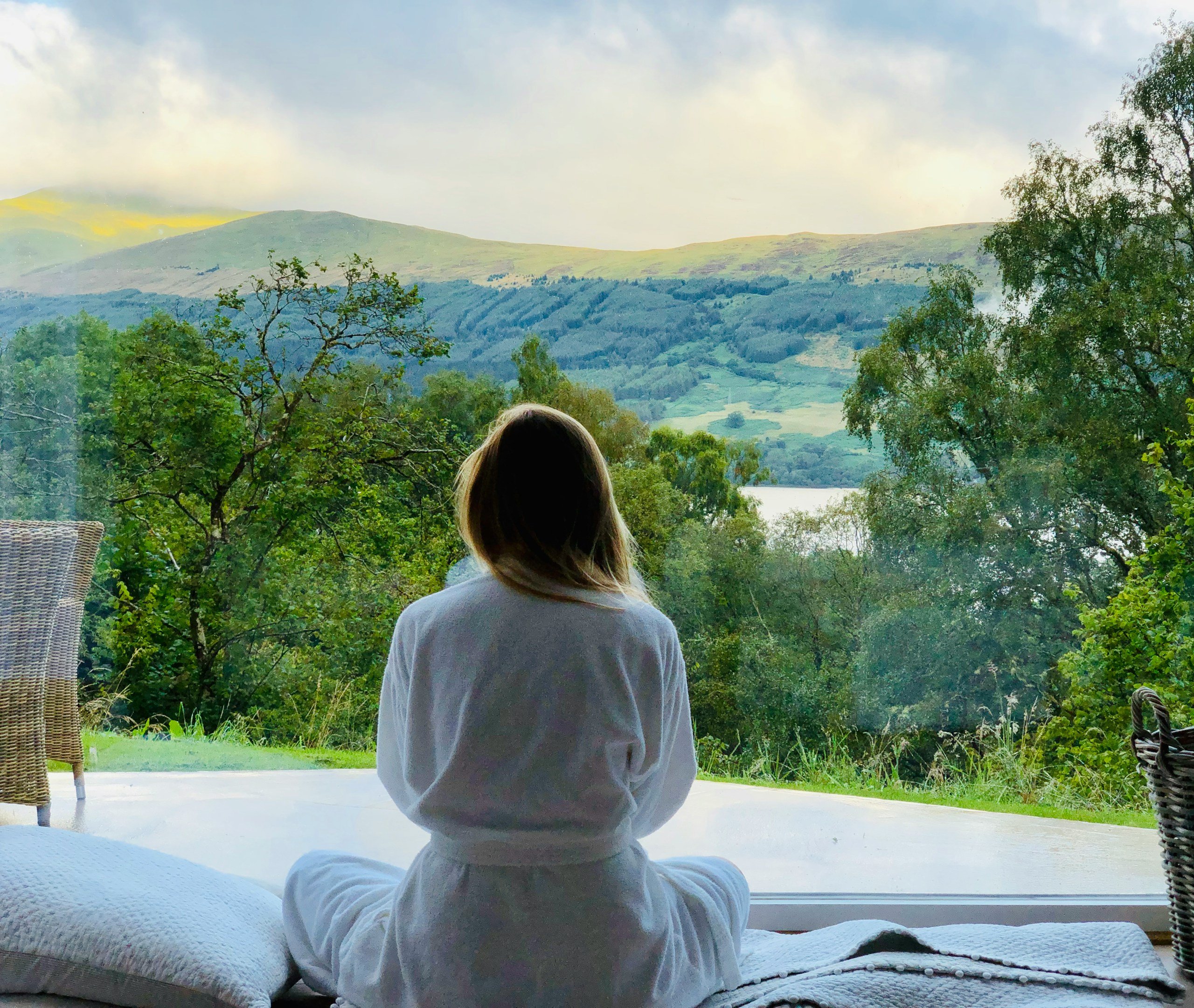
Improve Healing Recovery
Learn to use rest, sleep, nature, watching, stillness, and calmer attention to restore balance and help your body recover from daily life.
Recovery is how you restore balance.
It is how your body repairs, resets, regulates, and prepares for what comes next.
In Level 1, one of the clearest ways to improve healing recovery is to create small moments that help you downshift.
Not perfect sleep.
Not a silent retreat.
Not an empty calendar.
Just better recovery, one small step at a time.
Why healing recovery matters
Your body is built to heal.
But healing needs recovery.
If daily life keeps asking more from you without giving your body time to restore balance, pressure builds.
You may feel tired, wired, distracted, irritable, stiff, hungry, low, restless, or overwhelmed.
That does not mean you are failing.
It may mean your recovery is not matching your demand.
A small recovery habit can become a healing habit when it helps your body settle, repair, and regulate.
Why people struggle with recovery
Many people struggle with recovery because modern life makes it easy to stay switched on.
Work continues.
Screens continue.
Noise continues.
Food, messages, entertainment, pressure, and responsibilities keep arriving.
Rest can start to feel like laziness.
Sleep can become something you squeeze in after everything else.
Watching can become numbing instead of restoring.
Nature can become something you visit only when there is time.
The hurting habit often becomes constant stimulation.
Scrolling.
Snacking.
Late nights.
Background noise.
Rushing.
Ignoring tiredness.
Pushing through.
There is nothing wrong with entertainment, screens, or busy days.
The problem is when your body never gets the signal that it is safe to recover.
The healing habit
The healing habit is simple:
Take one small step toward better recovery.
That might mean:
stepping outside for fresh air
watching something calming
turning a screen off five minutes earlier
sitting quietly with a drink
noticing the sky
listening to birdsong
stretching gently before bed
making your evening slightly calmer
creating a small sleep cue
taking a slower walk
looking at nature for a few minutes
The question is not:
“How do I become perfectly rested?”
The question is:
“What can I do in 5–10 minutes that helps my body restore balance?”
That is enough to begin.
Fit2Thrive as your first teacher
Fit2Thrive teaches recovery through ordinary life, because that is how I built it.
The point is not to show perfect rest.
The point is to show how normal moments can become healing habits.
Watching can become recovery when it helps you slow down.
Nature can become recovery when it helps your attention soften.
Sleep can become recovery when you protect the rhythm around it.
Parks and days out can become recovery when they give your body space, movement, fresh air, and connection.
Even a quiet moment can become recovery when it helps life feel less draining.
I learned this through real life, not by getting everything right first.
I learned it through parenting, work, tired evenings, binge eating, travel, nature, sleep struggles, recovery experiments, screens, family life, and learning how to create calmer moments inside ordinary days.
This is how theory becomes practice.
You notice the pressure.
You choose one restoring moment.
You make it simple.
You repeat what helps.
Other recovery teachers
You can also learn from many other teachers.
David Attenborough can help you reconnect with nature, curiosity, attention, and the bigger living world.
Russell Foster can help you understand sleep, rhythm, and why recovery matters.
Nature teachers, sleep teachers, watching teachers, parents, calming creators, books, documentaries, parks, gardens, and quiet places can all become teachers too.
The best teacher is not the one who makes recovery complicated.
The best teacher is the one who helps you restore one step better.
Start with one recovery step
Choose one small action today.
For example:
step outside for five minutes
watch something calming instead of stimulating
turn off one screen five minutes earlier
sit quietly before bed
open a window and breathe
notice one natural thing
prepare your bedroom slightly earlier
take a slower evening walk
listen to calming audio
create one small sleep cue
Keep it small.
Five to ten minutes counts.
The win is not perfect recovery.
The win is beginning to give your body a clearer chance to restore balance.
A gentler next step
You do not need to fix your whole sleep, stress, or recovery pattern today.
You only need one small step toward better recovery.
If this idea speaks to you, HEAL gives you a gentler introduction to the Fit2Thrive approach.
And when you are ready to practise this properly, Healing Habits shows you how to begin with small 5–10 minute investments that help life support you more than it drains you.
Explore recovery more deeply
You do not need these pages to get started.
But if you want to go further, these pages can help you explore healing recovery, sleep, watching, nature, regulation, and the teachers that help you begin.
Teacher path
Begin: Take a step
how teachers, guides, and lived examples help you turn healing habits into small real-life steps
Improve Healing Supply
how cooking, shopping, leftovers, and simple food habits help you provide better support
Improve Healing Demand
how movement, walking, shopping, and play help you use energy well
Build Your Healing Habit Cycle
how to combine supply, demand, and recovery into one repeatable day
Find Your Teachers
how to choose guides, examples, books, courses, resources, and people that help you begin
Learn From Ordinary Life
how real days, real problems, and lived examples become teachers for healing habits
Recovery and regulation
Nature and ordinary life
Recovery teachers and examples
David Attenborough: Nature as a Teacher
how nature, curiosity, attention, and watching can become gentle healing habits
Russell Foster: Why do we sleep?
how sleep, rhythm, and recovery restore balance and why health routines struggle without recovery