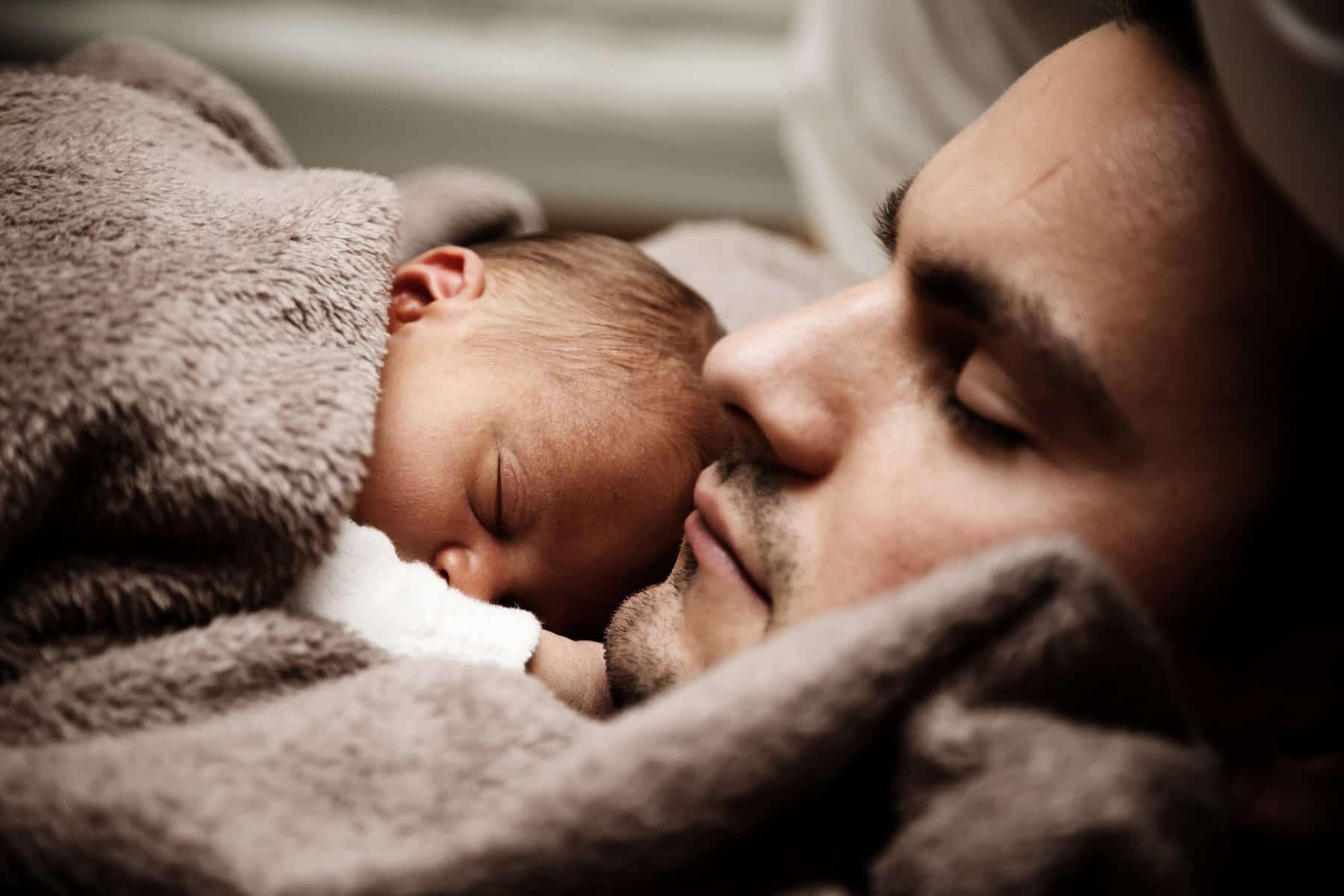
Sleep: Natures maintenance cycle
Your body does not only need fuel.
It also needs quiet.
Quiet to repair.
Quiet to regulate.
Quiet to recover.
Quiet to do the work that busy life keeps interrupting.
That is why sleep matters so much.
Not as a luxury.
Not as a reward.
Not as something to squeeze in when everything else is done.
But as one of the main ways the human system restores itself.
Sleep is not time wasted.
It is one of the deepest forms of maintenance life has.
Recovery is part of the healing loop
Healing is not magic.
It is a loop.
At Fit2Thrive, the healing loop is a simple way of understanding how the body returns to balance:
Supply — what you provide
nutrition, hydration, fuel, calm, space
Demand — what you ask for
movement, activity, challenge, use
Recovery / Regulation — how the body restores balance
sleep, rest, repair, breathing space
This page sits in the third part of that loop:
Recovery / Regulation.
Because healing is not only about what you provide and what you do.
It is also about whether the body ever gets enough quiet time to catch up.
Sleep is one of the body’s main maintenance cycles
During the day, life is noisy.
You are moving, thinking, reacting, doing, coping, adapting.
But sleep is one of the main times the body can shift more fully into repair, maintenance, and deeper recovery. That is why sleep sits so centrally in this part of Fit2Thrive. It is not just “switching off.” It is part of how the system keeps itself working.
A simple way to think about it is this:
you do not renovate your home while guests are still using every room.
You wait for the quiet time.
The body works in much the same way.
It does not mainly do its deepest repair while you are busy living the day.
It uses the quieter phases.
That is one reason poor sleep costs so much.
Why poor sleep costs so much
A lot of people normalise poor sleep.
They push through.
They get used to feeling tired.
They assume they are functioning well enough.
They blame stress, age, mood, motivation, or life itself without noticing how much sleep is shaping the whole picture.
But when sleep is poor for long enough, life often starts feeling harder than it should.
Energy drops.
Mood worsens.
Clarity fades.
Recovery slows.
Stress feels heavier.
The body and mind become harder to carry.
That is why sleep belongs so centrally in Level 1.
Because if recovery is constantly cut short, the rest of life has to run on less support.
You do not mainly grow during the busy part
One of the most useful truths in this whole area is beautifully simple:
you do not mainly grow during the busy part.
You grow during the recovery.
That applies to:
- physical repair
- restoring energy
- adapting to activity
- coping with stress
- and often simply feeling more like yourself again
This is one of the deepest reasons sleep matters.
Without recovery, the rest of the healing loop has far less room to work.
More effort does not automatically create better sleep
This matters too.
A lot of people assume exhaustion guarantees good sleep.
Sometimes activity helps.
Sometimes movement makes rest easier.
Sometimes a better rhythm supports both.
But too much pressure, too much stimulation, or too much overload does not automatically produce good recovery.
That is why sleep cannot be reduced to one trick.
Sleep is part biology, part rhythm, part environment, part regulation, and often part skill.
That is also why there is no shame in learning how to sleep better. It is something people can understand and support more intelligently over time.
Recovery has to fit real life
Fit2Thrive is not interested in turning sleep into one more perfection project.
The more useful question is:
What helps make recovery more possible in the life I actually have?
That might mean:
- protecting bedtime more carefully
- calming the evening rhythm
- reducing stimulation later in the day
- relaxing more deliberately
- carrying less overload into the night
- noticing what makes sleep easier and what works against it
That is a much better place to begin.
Not with guilt.
With support.
Sleep is a healing habit
This is one of the clearest places where Healing Habits becomes practical.
Sleep is not only a background process.
It is one of the strongest healing habits many people have under-supported for years.
And improving sleep is often a win-win move:
- better recovery
- better energy
- better coping
- better repair
- better readiness for the next day
That is why this page matters.
Not because sleep is a magic answer to everything.
But because without recovery, the rest of the loop has less chance to help.
Recovery works with Supply and Demand
Sleep matters, but it is not the whole answer on its own.
Recovery works best in relationship with:
- Supply — enough nourishment, hydration, fuel, and support
- Demand — enough movement, activity, use, and challenge
That is why the healing loop matters.
It helps people see that sleep is not a disconnected fix.
It is part of the wider rhythm of how life works.
Your body does not only need fuel.
It also needs quiet.
Quiet to repair.
Quiet to regulate.
Quiet to recover.
Quiet to do the work that busy life keeps interrupting.
That is why sleep matters so much.
Not as a luxury.
Not as a reward.
Not as something to squeeze in when everything else is done.
But as one of the main ways the human system restores itself.
Sleep is not time wasted.
It is one of the deepest forms of maintenance life has.
A gentler next step
If this page resonates, start with the next clear step.
Start with HEAL
Explore Supply
Explore Demand
Explore Healing Habits
Explore recovery more deeply
You do not need these pages to get started.
But if you want to go further with this theme, these related Fit2Thrive pages help deepen the wider value of sleep, rest, recovery, repair, learning, and regulation.
These pages help show the detail behind why recovery matters so much, and why sleep is one of the most overlooked foundations of health.
Core sleep and recovery
- Sleep like a ninja
- Sleep: Natures fixer
- A good night of sleep is like hosing down your filthy brain
- Russell Foster: Why do we sleep?
- Exercise is no quick cure for insomnia
- Things you can do better asleep than you can awake
Sleep, health risk, and longer-term recovery
- Could sleep affect risk of heart disease?
- Natural killer cells, cancer and sleep
- Sleeping for less than six hours may cause early death, study finds
- Do active people benefit more from sleep?
- Could lack of sleep increase risk of heart problems?
- What factors make us kick the bucket?
Rest, repair, and regulation
- Relax your way to health
- Rehabilitating a sprained ankle
- Working in the 21st century
- Does your lifestyle make you thrive?
- How I conquered my mouth ulcers?
Sleep, learning, and the mind
Deeper biology and wider recovery ideas
- Functional medicine: an alternative treatment for cancer: Fitter Food Radio episode 11
- Fat, nutrients and hibernation
- Could humans hibernate?
These pages help show why recovery matters so much.
Sleep is not just time switched off. It is one of the body’s deepest ways of repairing, regulating, learning, protecting, restoring, and preparing you for the life you want to live.