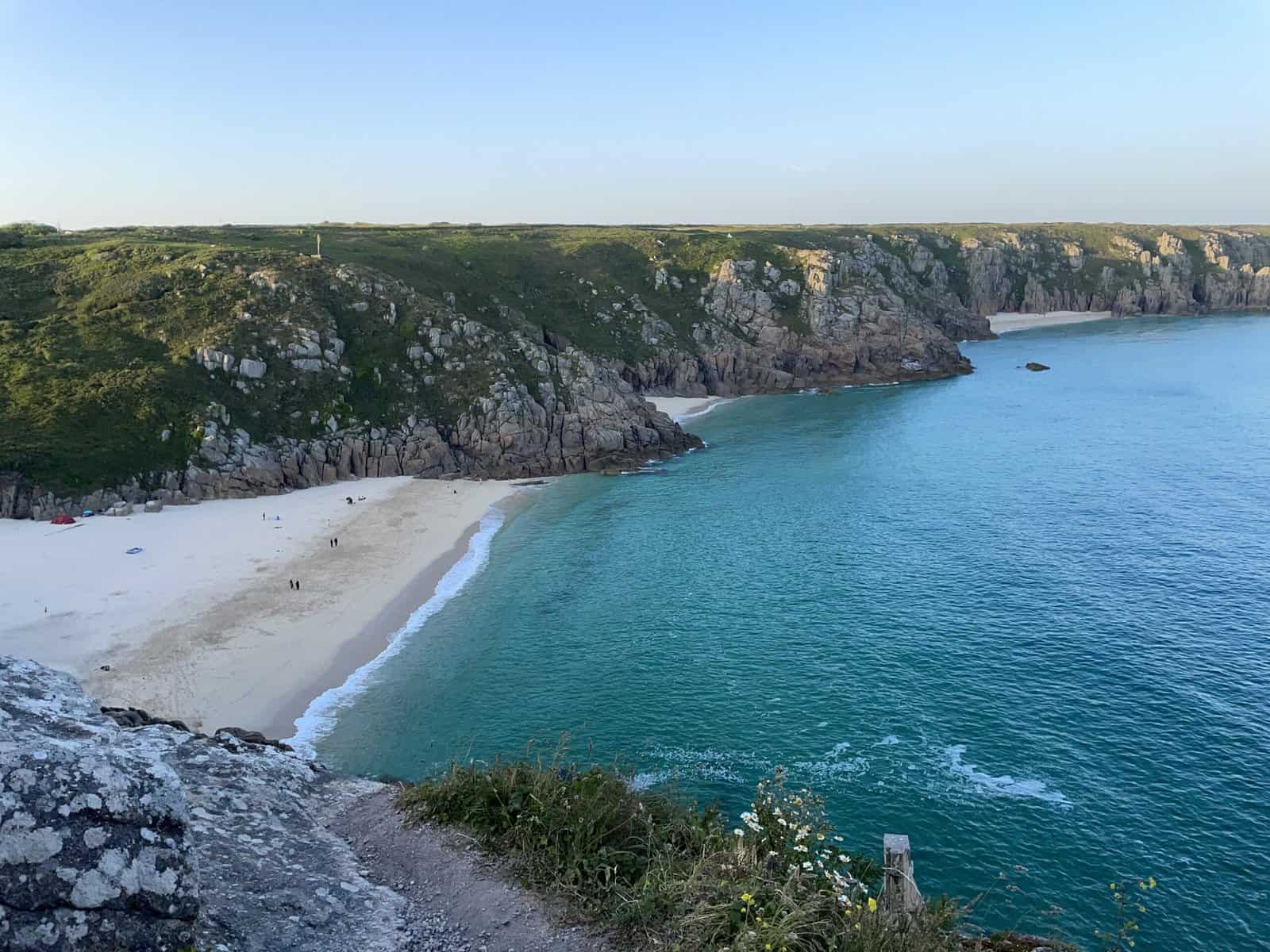
Nature
Nature is part of how we live
Nature is not separate from us.
We live within it.
We respond to light, darkness, temperature, seasons, movement, food, water, landscape, weather, other people, and the wider environment around us.
Modern life can make it easy to forget that.
We spend more time indoors.
We travel in cars.
We work at screens.
We control temperature.
We shop for food instead of growing or gathering it.
We can go through whole days without really noticing the environment around us.
Fit2Thrive is interested in what happens when we start noticing again.
Nature as a teacher
One of the ideas behind Fit2Thrive is that nature can become part of the curriculum.
Instead of starting only with rules about what we should do, we can look at how humans live, how our bodies respond, how the environment changes, and how life has always required adaptation.
Nature gives us clues.
Day and night.
Activity and rest.
Warmth and cold.
Effort and recovery.
Growth and decline.
Scarcity and abundance.
Summer and winter.
Stress and safety.
Movement and stillness.
Much of Fit2Thrive is about learning to notice these patterns and then asking:
How does this apply to me?
Learning how you work
Nature becomes useful when it helps us understand ourselves.
You might notice:
- you feel different after time outside
- daylight affects your energy or sleep
- walking somewhere green feels different from sitting indoors
- weather changes what you want to do
- seasons change your appetite, activity, mood, or routines
- being near water helps you slow down
- gardening gives you movement without feeling like exercise
- outdoor activities make you feel more alive
- some environments restore you while others drain you
The point is not that everyone responds in exactly the same way.
The point is to notice.
Learn how you work.
Nature and Healing Habits
Nature can also become part of everyday healing.
That does not have to mean dramatic adventures or moving to the countryside.
It can be much smaller.
Opening the door.
Stepping outside.
Walking somewhere greener.
Eating outdoors.
Gardening.
Watching the sky.
Spending time near water.
Choosing daylight when you can.
Taking a break outside.
Going somewhere beautiful.
Letting your normal life contain more of the natural world.
These things may support wellbeing in different ways for different people.
The useful question is:
What kind of contact with nature helps you feel better?
Restore more of your nature
Fit2Thrive is partly about restoring things modern life can make easy to lose.
Movement.
Rest.
Play.
Curiosity.
Connection.
Time outside.
Seasonal awareness.
Variety.
Challenge.
Recovery.
Nature gives us a way to explore many of these without turning them into another rigid health routine.
Instead of adding more rules, we can ask:
What would happen if I shaped my life to work a little more with my nature rather than constantly against it?
Nature as activity
Nature is also something we experience through life.
Walking.
Gardening.
Camping.
Beaches.
Hiking.
Kayaking.
Cycling.
Watching wildlife.
Exploring.
Travelling.
Playing outside.
Sitting somewhere peaceful.
These activities can give us movement, challenge, recovery, curiosity, connection, and enjoyment at the same time.
That is one reason nature appears so often throughout Fit2Thrive.
It is not one isolated topic.
It runs through the way we live.
Nature as curriculum
There is also much to learn.
We can explore:
- how humans respond to light and darkness
- seasons and changing environments
- outdoor movement
- temperature
- sleep and daily rhythms
- green and blue spaces
- food and natural systems
- stress and recovery
- play
- environmental demands
- adaptation
- how modern environments differ from those humans developed within
These are deeper topics that can be explored over time.
This page is simply the starting point.
Nature as teacher
There are also many people who can help us understand this better.
Researchers.
Ecologists.
Naturalists.
Gardeners.
Outdoor educators.
Health professionals.
Writers.
Farmers.
Coaches.
People who spend their lives observing how humans interact with the natural world.
Fit2Thrive can help connect these teachers with everyday life.
Start small
You do not need to change your whole lifestyle.
Just notice what is already around you.
Ask:
When do I feel most connected to the natural world?
What environments make me feel good?
How much time do I actually spend outside?
What could I do outside that I currently do indoors?
What part of nature would I like more of in my life?
Then experiment.
Notice what happens.
Keep what helps.
Adapt what does not.
Fit2Thrive principle
Nature is not something outside your life.
It is part of the life you are learning how to live.
Or, even more simply:
Learn from nature.
Restore your nature.
Build a life that works with both.